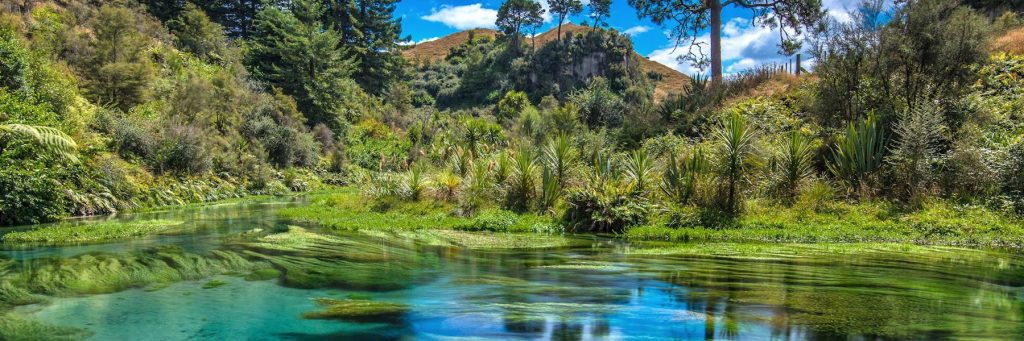
The Mighty Waikato
Nestled along the banks of the mighty Waikato River, Kirikiriroa, Hamilton is a vibrant and welcoming city that blends rich cultural heritage with modern amenities.
Today, Kirikiriroa is one of New Zealand’s fastest-growing cities and the heart of the Waikato region. With its strong sense of manaakitanga (hospitality) and kaitiakitanga (guardianship), Kirikiriroa provides an inspiring setting for delegates to connect, learn, and experience the unique culture of Aotearoa New Zealand.
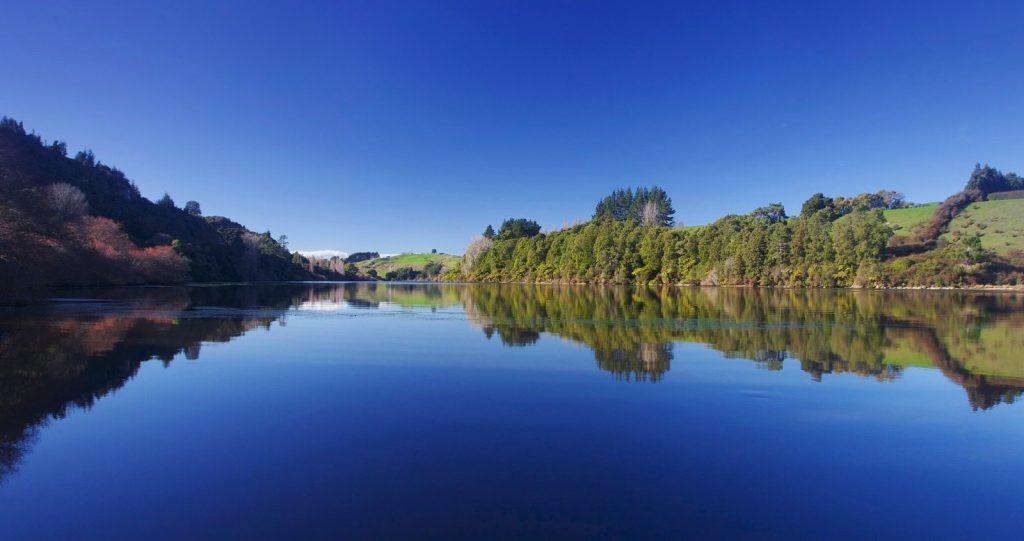
Nature as a Foundation of Identity
- The name Kirikiriroa refers to the long stretch of gravelly soil along the Waikato River, which provided fertile ground for extensive māra kai (food gardens). These gardens sustained large communities and were central to trade and mana.
- The river itself is considered a taonga (treasure) and an ancestor. A living entity that connects people to their whakapapa (genealogy) and the land.
Home of the Kīingitanga
- The Kīingitanga movement was founded in 1858 to unify Māori under a single sovereign and protect land from colonial encroachment.
- Waikato is the heartland of the Kīingitanga. The first Māori King, Pōtatau Te Wherowhero, was crowned at Ngāruawāhia, just north of Kirikiriroa, and the movement remains based in the region today.
- The surrounding whenua (land) is sacred, with sites like Tūrangawaewae Marae serving as the spiritual and ceremonial home of the Kīingitanga.

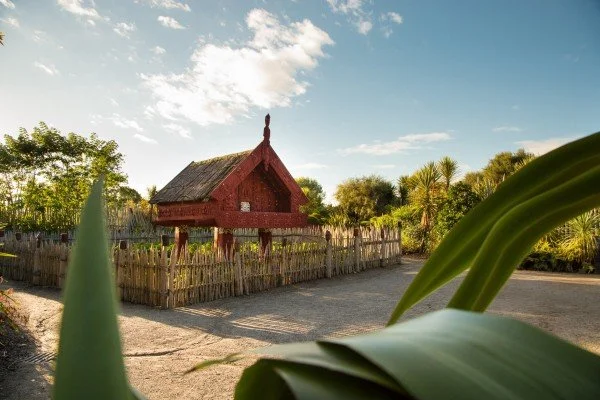
Cultural and Environmental Stewardship
- The legacy of leaders like Te Puea Hērangi and Queen Te Atairangikaahu emphasised the importance of kaitiakitanga, the guardianship of the land and waterways.
- Initiatives like Te Parapara Garden and Waiwhakareke Natural Heritage Park reflect this ethos, blending ecological restoration with cultural education.
Kirikiriroa’s nature isn’t just a backdrop, it’s a living archive of Māori resilience, leadership, and connection to the land. For the Kiīngitanga, it’s a place where mana (authority), whakapapa, and tikanga (customs) converge. Its preservation is vital not only for environmental health but for the continuation of Māori sovereignty and identity.